Euro-soul
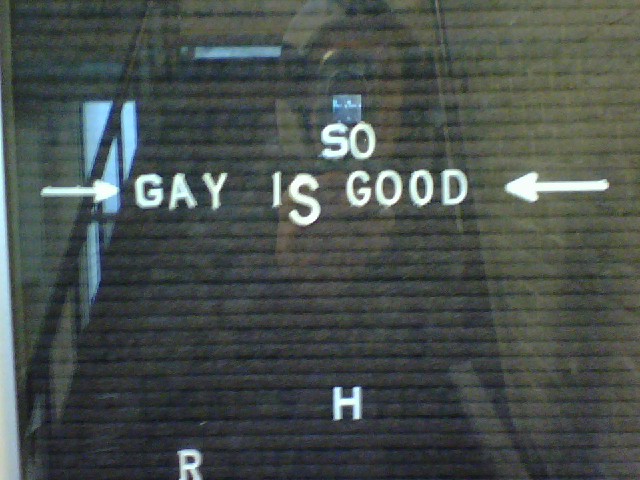
This isn't gay but it is a little rambly:
When I was in fourth grade, I had to do an oral report on a famous scientist. I chose Evangelista Torricelli (http://en.wikipedia.org/wiki/Evangelista_Torricelli) because he was Italian, and I felt an vague ethnic fraternity with him. I remember three salient details:
- I attributed the invention of the microscope to him. I think I even read this out of a book. I was very plaintive in my oral report, as I recall, saying that most people think it was Galileo but really it was this Torricelli guy. Now as I look at the wikipedia article, I don't even think the barometer occurred to me, either from reading or general thought. So I was doubly wrong, in a way. Do young people just read from the wikipedia page for oral reports today?
- My mom's ironic helpfulness was at work here. She iterated that I was to pronounce Torricelli's name with an Italian accent, and that this would contribute to my impression of scholarly wisdom. I say ironic because her help usually led me to lower grades, since the aspects I concentrated on and the aspects important to the teacher were not always the same; this would repeat itself dreadfully in my high school English education.
- This oral report would take place in a further context of my feelings to my (lack of) Italianness. In ways, I would be encouraged to foreground this in school because of my name. But I wasn't even 10 before I noticed the great incongruity of what I was imputed to be by my teachers and classmates (and mom) vs. what I found at home: my dad is just as American as any WASPy person I've ever known. He prefers sports to politics, eats dinner over the sink, and drinks light beer. As I've grown up, I've adopted the latter two tendencies and struggle to find anything other than an ironic like for Italian American culture.
So I stood up at the chalkboard and gave this report. This was at an age where I still thought my mom was cool and that what she cared about was what the rest of the world cared about. As I effusively pronounced his name, with accented Es and a ch sound and Is that sounded like ees, I was too smug to notice the class's indifferent confusion.
I got an average grade on the report. In the 21 years since then, I have become closed off to my mom's suggestions, and this only seems to imply to her that I want more suggestions--on relationships, my diet, my career plans, my pedagogy. I speculate, sometimes, that she doesn't have an off switch for these suggestions, and maybe she thinks parenting comprises two ages:
- the age of being a proxy to your kids
- the age of giving advice on what you would do
Stage 1 makes sense, perversely, if you want your kid to do well on the oral report. Young kid, basic needs. Stage 2 doesn't work well if you want your son to date a nice woman. And yet my mom's dispensation continues, often in discredited pop dualisms.
Oddly enough, it's my mom who was the more Italian of the two, most significantly in her provinciality-in-acculturation. She was the one who cooked Italian food and stressed this kind of inclusion in our school activities as if it spoke for me. She listened to opera at home when she cooked, and read Italian gossip magazines. And yet she was born in Nebraska and lived in Las Vegas until college. I think I grew up properly American in that the Italian ethnicity engendered in me was a mix of my dad's weary apathy to being the Euro in the room and my mom's dysfunctional, attention-less childhood. But those are worthy of their own thoughts.


